Online safety (e-safety)

Two adults and a child sitting together on a couch using laptops and a tablet in a home setting.

Online safety is about understanding digital risks and taking simple steps to protect your information, wellbeing and devices. Veterans and families can use trusted tools and support services to stay safer, more confident and in control online. 

What is online safety? 

Online safety (or eSafety) means keeping yourself and others safe when using the internet and digital devices. 

Being online is part of everyday life. People use it to stay in touch, use services, work and find information. But there can also be risks. 

Online safety is about knowing the risks and taking simple steps to stay safe and in control. 

Top 5 online safety tips 

  • Keep personal information private 
  • Use strong, different passwords for your accounts 
  • Be careful with unexpected messages, links or attachments 
  • Review your privacy settings on apps and websites 
  • Block, report or ask for help if something does not feel right 

How being online can support wellbeing 

Being online can support your wellbeing when it is used safely. 

  • Staying connected with family, friends and community 
  • Accessing support services and information 
  • Learning new skills and managing everyday tasks 
  • Finding support during difficult times 

Digital tools can make it easier to connect with others, learn new things and use services. 

Common online risks 

There are many benefits to being online, but there are also risks to watch out for. 

Harmful interactions 

  • Cyberbullying or online harassment 
  • Abuse or threatening behaviour 
  • Sharing or using personal images without permission 

This can include repeated hurtful messages, threats, or someone sharing a photo of you without your permission. 

Scams and fraud 

Scammers may try to trick you into sharing personal details or money through messages that look real.  Limiting the personal information you share online such as your address, phone number, date of birth and bank details can help to protect you from scams and fraud.  

For example, a scam might be a text message pretending to be from a bank, government service or delivery company. 

Scams can look like:  

  • Fake messages, emails or calls 
  • Requests for personal or financial information 
  • Offers that seem too good to be true 

Harmful or distressing content 

Online harm can affect your mental health, safety and wellbeing. 

If something you see online feels upsetting, you can stop viewing it, leave the page, or talk to someone you trust. 

How to stay safe online 

There are simple steps you can take to protect yourself online. 

Protect your information 

  • Be careful about what you share online 
  • Keep personal details private 
  • Review privacy settings on apps and websites 

Privacy settings help you choose who can see your information, posts and activity. 

Secure your devices and accounts 

Simple security steps can help protect you from online threats. 

A strong password is longer and harder for other people to guess. Using a different password for each account can also help keep you safer. 

Be aware of scams 

  • Be cautious of unexpected messages or requests 
  • Do not click unfamiliar links or attachments 
  • Do not share personal information unless you contacted the person or organisation first 

If you are unsure whether a message is real, do not reply straight away. Contact the organisation using details from its official website or app. 

Stay in control of your experience 

  • Block or report harmful content or behaviour 
  • Limit time online if it is affecting your wellbeing 
  • Take breaks from platforms when needed 

Blocking stops a person from contacting you through that platform. Reporting lets the platform review the behaviour or content. 

Why online safety matters for veterans and families 

For veterans and families of veterans, being online can be an important way to: 

  • Access services and support 
  • Stay connected to others 
  • Manage health and wellbeing 

But being online can also expose people to scams, false information and online abuse. 

Knowing these risks and what to do can help you feel more confident when using online services. 

Even a basic understanding of online safety can help people make safer choices and know when to ask for help. 

Getting help 

If something goes wrong online, you can get help. 

  • You can report harmful content or online abuse to the eSafety Commissioner 
  • Many platforms also have reporting and blocking tools 
  • If you feel unsafe, reach out to a trusted person or service 

The eSafety Commissioner is Australia’s national online safety regulator. It can help with reporting harmful online content. 

If something happens online, it can help to take screenshots, stop replying, block the person or account, and report the problem. 

You are not alone 

Many people are still learning how to stay safe online. You do not need to know everything to take simple steps that protect you. 

If something online does not feel right, you do not have to deal with it on your own. Help is available. 

More information and support 

If you want more information or support, these trusted Australian services can help. 

  • eSafety Commissioner – online safety advice, reporting harmful content, and help with online abuse 
  • Scamwatch – advice about scams and how to report them 
  • Cyber.gov.au – simple tips to protect your devices, accounts and personal information 
  • IDCARE – support if your identity or personal information has been misused or stolen 
  • Beyond Blue – support if online experiences are affecting your mental health and wellbeing 
Factsheet
  • Safety and Security
  • Health and Wellbeing
  • Family, Children and Caring
Off
8
9
12

Mentoring

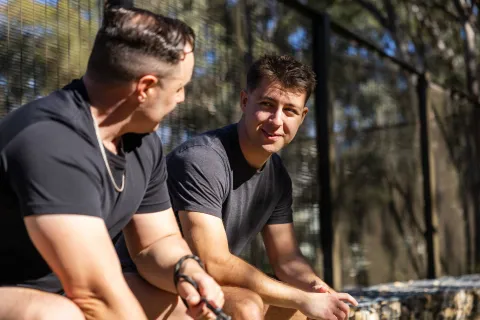
Two people sitting together in conversation on a sandy beach.

Mentoring can help veterans and families navigate change, build confidence and learn from people with relevant experience. It can offer practical guidance, encouragement and connection during transition, career change, study or other life changes. 

Mentoring is about connection, guidance and learning from someone with experience you can draw on. 

For veterans and families, mentoring can be a practical way to navigate change. This might include transitioning from Defence, returning to study or work, starting something new, or rebuilding confidence after a difficult period. 

Mentoring is not only for people in crisis. It can also help if you want guidance, encouragement or a sounding board, at your pace and on your terms.  

What mentoring can look like 

Mentoring might be: 

  • One-to-one or in a small group 
  • Short term or ongoing 
  • Formal or informal 
  • Focused on work, education, transition, leadership or personal goals 

A mentor can help you explore options, learn from experience, build confidence and identify practical next steps. 

Who mentoring can support 

Mentoring can help: 

  • Veterans navigating transition or career change 
  • Partners rebuilding work or study pathways after Defence life 
  • Family members returning to the workforce after caring roles 
  • People looking to build confidence, skills or direction 
  • People looking for informal support, guidance or connection 

Mentors may be veterans, family members, peers, or people with experience in a particular field or stage of life. 

Why mentoring matters 

Many veterans and families of veterans say some of the most valuable support comes from people who understand their experience. 

Mentoring can help people: 

  • Reduce isolation and uncertainty 
  • Build confidence and clarity 
  • Support decision-making without pressure 
  • Create a sense of connection and belonging 
  • Help people recognise their strengths and transferable skills 

Mentoring is often most powerful when combined with other supports, such as education, employment services and wellbeing support. 

Finding mentoring support 

You may be able to find mentoring through veteran and family organisations, employment and transition programs, education pathways and local peer networks. 

  • Veteran and family organisations, such as Soldier On mentoring programs 
  • Employment and transition programs, including the RSL Veterans’ Employment Program and VetPaths for veterans entering the APS 
  • Community and peer networks that connect people with shared experiences 
  • Local Veterans’ and Families’ Hubs, which may help you find trusted programs and supports in your area 

If you are not sure where to start, a hub, ex-service organisation or transition support service may be able to help you find an option that fits your goals, life stage and circumstances. 

Examples of mentoring programs 

Programs change over time, but these examples show the kinds of mentoring support veterans and families may be able to access. 

  • Soldier On offers mentoring programs for veterans, current service members and family members, including short and longer-term options. 
  • VetPaths includes career mentoring, peer support and wellbeing support for veterans moving into Australian Public Service roles. 
  • Future Women Jobs Academy supports women and gender-diverse veterans, and partners, with mentoring, coaching and networking as part of career support. 
  • RSL Veterans’ Employment Program offers employment and career support to veterans and their partners. 

Check current eligibility and availability with the provider. 

Key takeaways 

  • Think about what kind of support you want from mentoring. 
  • Look for an option that fits your goals, time and life stage. 
  • Start with a trusted organisation, program or local hub if you are not sure where to begin. 
  • Check which programs are open to veterans, partners or family members. 
Factsheet
  • Education and Skills
  • Employment and Meaningful Activity
  • Social Support and Connection
  • Health and Wellbeing
Off
7
8
9
10
12

Mental Health Care Plans

A family walking together along a path through a grassy hillside landscape.

A Mental Health Care Plan can help you access the right mental health support through your GP, including Medicare-subsidised sessions with a mental health professional. It’s a practical way to get support early and find care that matches what you’re going through.

What is a Mental Health Care Plan? 

A Mental Health Care Plan, is a plan you can create with your GP to help you access the right mental health support. 

It can include: 

  • what you’re experiencing 
  • the type of support that may help 
  • referrals to mental health professionals, such as psychologists, social workers or psychiatrists 

A plan can make it easier to access Medicare subsidised sessions and get support early, before things feel overwhelming. 

Why it can help 

You don’t need to be in crisis to ask for support. 

A Mental Health Care Plan can help if you are: 

  • feeling stressed, low, anxious or overwhelmed 
  • having trouble adjusting to life after transition, service-related changes, or other life changes 
  • dealing with grief, loss or relationship challenges 
  • noticing changes in your sleep, mood or behaviour 

It provides a structured way to talk about what’s going on and to take the practical next steps. 

How to get a Mental Health Care Plan 

You can request a Mental Health Care Plan by booking an appointment with a GP.  

When booking, you will need to tell the Receptionist you want to discuss a Mental Health Treatment Plan to ensure they allocate the necessary time for your assessment. 

During your appointment, your GP may: 

  • ask about your wellbeing, health and life circumstances 
  • talk through support options with you 
  • Work with you to create a plan 
  • refer you to a mental health professional, if appropriate 

You can take things at your own pace, and you don’t have to share anything you’re not ready to. 

What happens next 

With a Mental Health Care Plan, you may be eligible for a number of Medicare subsidised sessions with a mental health professional. 

Your GP will usually: 

  • check in with you after a few sessions 
  • review your plan 
  • adjust your support if needed 

Your support can change over time, depending on what works best for you. 

Support for veterans and families of veterans 

If you are a veteran or family member of a veteran, additional supports may be available. 

Depending on your situation, you may be able to access: 

  • mental health care funded through Department of Veterans’ Affairs (DVA) arrangements 
  • providers who understand military and veteran experiences 
  • counselling and support through services such as Open Arms-Veterans & Families Counselling 

You can talk with your GP about your options or explore support directly through the relevant services. 

You’re not alone 

Reaching out for support can feel like a big step, especially if you’re used to managing things on your own.  

It’s okay to start small. 

A Mental Health Care Plan is one way to: 

  • better understand what you’re experiencing 
  • connect with the right support 
  • take care of your wellbeing over time 

Helpful Links 

Factsheet
  • Health and Wellbeing
  • Family, Children and Caring
Off
9
12

Medication advice

A person holding a labelled weekly medication organiser being passed to another person.

Medication advice can help veterans and families understand their medicines, manage changes safely, and feel more confident asking questions. Support from a GP, pharmacist or other health professional can make medication use safer and less stressful, especially during transition, recovery or after hospital. 

Medications can help manage both physical and mental health. At times however, they can feel confusing, especially during periods of change. 

Veterans and families of veterans may be prescribed medications by different health providers over time, or experience changes to medications during transition, after hospital stays or when health needs change. Having clear, trusted information and knowing where to get advice can make managing medications safer and less stressful. 

How medication advice can help 

Medication advice can support you to manage your medicines safely and with confidence. 

It can help you to: 

  • Understand what each medication is for 
  • Know how and when to take your medication 
  • Be aware of possible side effects 
  • Feel confident asking questions about changes 

It’s okay to ask for clarification whether a medication is new, has changed, or doesn’t feel right for you. 

When to seek medication advice 

You may want to seek advice if you are: 

  • Starting a new medication 
  • Having medications changed or stopped 
  • Taking several medications at the same time 
  • Experiencing side effects or possible interactions 
  • Leaving hospital or changing health providers 

During transition or recovery, these situations can happen quickly. Getting advice early can help prevent problems later. 

Who can provide medication advice 

Medication advice is best given by qualified health professionals who understand your medical history. 

This may include: 

  • Your GP or treating doctor 
  • A pharmacist 
  • A hospital or community health service 

They can explain your medications, check how they work together, and answer your questions in clear, practical terms. 

Supporting someone else with medications 

Families and carers often play an important role in managing medications, especially after illness, injury or hospital discharge. 

You may need support if you are: 

  • Helping someone understand or organise medications 
  • Unsure about medication changes or side effects 
  • Concerned about safety or interactions 

You don’t need to manage this alone. Seeking advice is a practical and positive step. 

Factsheet
  • Health and Wellbeing
  • Family, Children and Caring
Off
9
10
12

Meal planning

Fresh vegetables, pantry jars and a notebook with a pen arranged on a kitchen bench beside a chopping board and knife.

Meal planning can make everyday life easier by reducing stress, saving time and money, and supporting more balanced eating. Keeping it simple and planning around real life can help you and your family feel more prepared, even during busy or difficult times. 

Eating well doesn’t have to be complicated 

Planning meals can feel like “one more thing”, especially during busy or stressful times. A simple meal plan, though, can make everyday life a bit easier. 

Meal planning isn’t about being perfect or restrictive. It’s about: 

  • reducing stress around food 
  • saving time and money 
  • making sure you and your family are getting what you need 

Even small changes can make a difference. 

Why meal planning can help 

Thinking ahead can support your wellbeing in practical ways: 

  • Less daily stress 
    You don’t need to decide what to cook eat when you’re already tired or stretched. 
  • More balanced eating 
    Planning ahead can make it easier to include a variety of foods that help keep your energy steady. 
  • Saving money 
    Shopping with a plan can reduce impulse buys and cut down on food waste. 
  • Supporting your household 
    Having meals prepared or planned can make busy days easier to manage - especially with children or changing schedules. 

Getting started - keep it simple 

You don’t need a full weekly plan. Start small: 

  • Plan 2–3 meals for the week 
  • Use meals you already know how to cook 
  • Repeat meals you enjoy. It’s okay to keep things simple 
  • Check what you already have before shopping 

Some people also find it helpful to: 

  • write a short list on the fridge 
  • use notes on their phone 
  • plan around work rosters, appointments, or shifts 

Ideas to make things easier 

  • Batch cooking - Cook  extra portions and freeze leftovers for another day 
  • Mix and match meals  - Prepare ingredients that can be used in different ways (e.g. roast vegetables, cooked rice, grilled meat) 

Quick backup options 

Keep a few easy meals on hand for low‑energy days (e.g. frozen meals, canned foods, simple sandwiches) 

Plan for real life 

Leave space for takeaway, social meals, or days when plans change 

If things feel overwhelming 

There’s no “right” way to plan meals. 

If you’re going through a stressful time, it’s okay to: 

  • keep meals very simple 
  • rely on ready‑made or pre‑prepared options 
  • ask for help from family, friends or support networks 

Looking after yourself includes making things manageable, not perfect. 

Getting support 

If meal planning, food access or budgeting is difficult, you don’t have to manage it alone. 

Support is available including: 

  • financial counselling 
  • community food services 
  • local support organisations 
Factsheet
  • Health and Wellbeing
  • Family, Children and Caring
Off
9
12

Lived experience and lived expertise

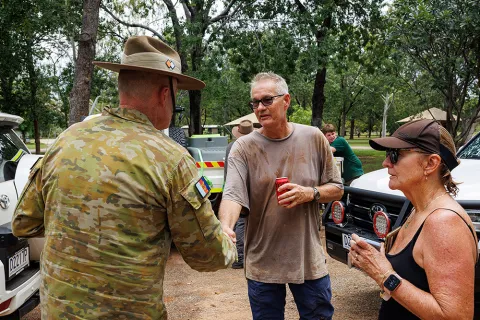
A person in Australian Defence Force  uniform shaking hands with another person outdoors near parked vehicles, with others standing nearby in a bushland setting.

Lived experience - from military service, transition, and recovery—becomes lived expertise when used to improve services, driving more responsive, respectful, and person-centered support.

Lived experience is the knowledge people gain through their own lives.  This includes experiences of military service, transition to civilian life, injury or illness, recovery, caring for others, family life, and navigating support systems over time. 

For veterans and families of veterans, lived experience provides insights that cannot be captured by policy or data alone. It reflects the real impacts of service and transition, and the day-to-day realities people face. 

Everyone’s lived experience is different. Each person’s story, perspective and pathway is unique. 

What is lived expertise? 

Some people choose to use their lived experience to help improve systems, services and responses.  

When lived experience is combined with reflection, learning and practice, it can develop into lived expertise. 

Lived expertise may be used to: 

  • share what supports work well and what does not 
  • identify barriers to access, safety or trust 
  • inform more responsive, inclusive and person‑centred approaches 
  • support learning and improvement across services and systems 

Lived expertise is grounded in respect, self‑determination and empowerment. It recognises lived experience as a legitimate and valuable form of knowledge in its own right.  

Why this matters for wellbeing 

Wellbeing support is most effective when it reflects the voices and experiences of the people it is designed for. 

Recognising lived experience and lived expertise helps ensure that: 

  • services respond to real needs 
  • systems are clearer and easier to navigate 
  • diverse perspectives are recognised and valued 
  • improvements are shaped by those most affected 

This approach supports wellbeing that is practical, respectful and connected to community realities. 

Choice, safety and respect 

Sharing lived experience is always a personal choice. 

People may choose to: 

  • share some parts of their story, or none at all 
  • engage at different times or in different ways 
  • use their experience privately or publicly 

Approaches that draw on lived experience prioritise: 

  • psychological and cultural safety 
  • respect and dignity 
  • clear boundaries and informed consent 
  • support without pressure or expectation 

There is no requirement to share lived experience to access support. 

A principle across the agency 

Lived experience and lived expertise are not treated as standalone activities or programs. 

They are guiding principles that shape how the Veteran and Family Wellbeing Agency: 

  • listens to veterans and their families  
  • improves information, services and pathways 
  • strengthens the wellbeing system over time 

This ensures that support remains grounded in real experience, while respecting individual choice and the diversity of perspectives. 

Factsheet
  • Meaning and Spirituality
  • Social Support and Connection
  • Health and Wellbeing
Off
7
8
9
10
12

Grounding techniques

A person standing outdoors among trees with eyes closed, facing the sunlight.

Grounding techniques are simple strategies that can help you feel calmer, safer and more present when stress, anxiety or overwhelm rise. They can be used in everyday moments or alongside professional support to help you regain a sense of control.

Grounding techniques are simple ways to help you focus on the present moment when you feel overwhelmed, anxious, distressed, disconnected or “stuck in your head”. 

They can help you feel safer and more settled right now. 

Why grounding helps 

When stress rises, your body can go into alert mode. Grounding can help by: 

  • calming the body’s stress response 
  • reducing feelings of anxiety or overwhelm 
  • improving focus and clarity 
  • increasing a sense of safety and control 

Grounding will not make difficult thoughts or feelings disappear, but it can help you manage them. 

When grounding can help 

Grounding can help with: 

  • moments of intense stress or emotion 
  • anxiety or panic 
  • distressing memories or unwanted thoughts 
  • feeling disconnected, numb or “on edge” 
  • everyday overwhelm 

You can use these techniques anywhere. 

Grounding techniques to try 

5–4–3–2–1 (using your senses) 

  • 5 things you can see 
  • 4 things you can feel 
  • 3 things you can hear 
  • 2 things you can smell 
  • 1 thing you can taste 

This can help bring your attention back to the present. 

Breathing 

  • Breathe in through your nose for 4 seconds. 
  • Breathe out through your mouth for 6 seconds. 
  • Repeat for a few minutes. 

Longer exhales can help your body calm. 

Physical grounding 

  • Press your feet into the ground and notice the support beneath you. 
  • Run cold or warm water over your hands. 
  • Hold a solid object and focus on its weight and texture. 

Orientation 

  • Name the date, time and where you are. 
  • Look around and identify something familiar or safe in the room. 
  • Say quietly to yourself: “Right now, I am safe.” 

Movement 

  • Stretch slowly or gently move your body. 
  • Take a short walk and notice how your body feels as you move. 
  • Roll your shoulders or gently clench and release your fists. 

Making grounding work for you 

Not every technique works for everyone. It may take time to find what works for you. 

It may help to: 

  • try a few different approaches 
  • practise when calm so it’s easier during stress 
  • adjust techniques to suit your comfort level 

Even a few seconds of grounding can help. 

When you may need more support 

If distress feels ongoing, overwhelming, or makes daily life harder, extra support may help. 

You could talk to: 

  • a GP or health professional 
  • a counsellor 
  • a trusted support service 

Grounding techniques can work well alongside professional support. 

If you would like more support, trusted Australian apps and audio resources may help you practise grounding, breathing and relaxation techniques at your own pace. 

Healthdirect lists health and wellbeing apps from trusted information partners, including Smiling Mind. It also provides information on slow breathing, mindfulness and relaxation techniques. 

A gentle reminder 

Grounding is a skill. You do not have to get it “right”. Any step that helps you reconnect with the present matters. 

Factsheet
  • Health and Wellbeing
Off
8
9

Grief and loss

Close-up of a person clasping their hands while sitting in tall grass on a hillside.

Grief and loss can affect veterans and families in many ways, including after bereavement, transition, illness, or changes in identity and routine. Support is available through counselling, peer support, veteran services and general grief services, and it’s okay to seek help at any stage.

Understanding grief and loss 

Grief is a natural response to loss. It can feel overwhelming, confusing or lonely, especially when the loss is linked to military service or life after service. 

Veterans and families of veterans may experience grief in many ways. It may follow the death of someone close to you, or a loss linked to service, health, relationships, routine, independence or sense of purpose. There is no right or wrong way to grieve. 

How grief can affect veterans and families of veterans 

Grief may affect your emotions, body, thoughts and relationships. You may notice: 

  • feeling sad, numb, angry or guilty 
  • changes in sleep, appetite or energy 
  • finding it hard to concentrate or make decisions 
  • withdrawing from others or feeling alone 
  • strong reactions to reminders, anniversaries or unexpected moments 

For some veterans and families of veterans, grief can also be shaped by trauma or long-term stress. This can make grief feel more intense or return long after the loss. 

Types of loss that can lead to grief 

Grief is not only about death. You may also grieve: 

  • the end of a military career, whether planned or unplanned 
  • changes to your physical or mental health 
  • changes in family roles or relationships 
  • loss of connection with service mates or community 
  • missed opportunities, changed expectations or loss of purpose 

These losses are real, even if other people do not always see or understand them. 

Signs you may need extra support 

Grief takes time, but extra support may help if things are not getting easier or are starting to feel harder. You may want to reach out if you: 

  • feel stuck, overwhelmed or unable to cope day to day 
  • are using alcohol or other substances to manage feelings 
  • feel disconnected from yourself or others 
  • have thoughts of not wanting to be here or of harming yourself 

Asking for help is a way to look after yourself. 

If you are in immediate danger or need urgent help, call 000. 

Ways to get support for grief and loss 

Support may include: 

  • talking with someone you trust 
  • using counselling that understands military and family life 
  • connecting with peer support 
  • getting practical help as well as emotional support 

Veterans and families of veterans can access free, confidential counselling and wellbeing support from people who understand military life. Help is available whether your service was recent or many years ago, and whether your grief feels new or long-standing. 

Veteran services for grief and loss support 

Veteran-specific services can help with grief and loss in different ways. The right support will depend on your needs and what you are going through. 

  • Open Arms – Veterans & Families Counselling provides free and confidential mental health and wellbeing support including counselling, care coordination, peer support, group programs and digital health initiatives for veterans and the families of veterans.
  • Veterans’ and Families’ Hubs for local connection, wellbeing support and help finding services in your area 
  • Ex-service organisations for advocacy, practical help, social connection and support during times of change 
  • Chaplaincy for emotional, social and spiritual support during grief, loss and major life changes 

You can reach out early, during a difficult time, or long after a loss. Different types of support may help at different times. 

General grief and loss services outside the veteran sector 

General grief and loss services can also help. You can use them alongside veteran-specific support or on their own, depending on what feels most helpful. 

  • Griefline for grief and loss support, a helpline, online forums and information 
  • Australian Centre for Grief and Bereavement for counselling, support and information 
  • StandBy for support after suicide loss 
  • Red Nose for support after miscarriage, stillbirth, or the death of a baby or child 
  • Lifeline for crisis support if grief is linked with severe distress or thoughts of self-harm 

You do not need to choose just one type of support. Some people use veteran-specific and general services at the same time.

Factsheet
  • Meaning and Spirituality
  • Social Support and Connection
  • Health and Wellbeing
  • Family, Children and Caring
Off
8
9
12

First Nations wellbeing

A person sitting indoors, facing and listening to someone in conversation.

For many First Nations veterans and families, wellbeing is closely connected to culture, Country, community, family and identity. Support that respects these connections can help strengthen wellbeing, belonging and resilience through different life stages and challenges.

Wellbeing connected to culture, Country and community 

For many Aboriginal and Torres Strait Islander peoples, wellbeing is often understood in a holistic way. It may be shaped by connection to culture, Country, community, family and identity. 

These connections can be a source of strength, belonging and healing. They may also influence how wellbeing is experienced and supported over time. 

For First Nations veterans and families of veterans, experiences such as service, transition, relocation, grief, loss or changes in family and community roles can affect connection and wellbeing in different ways. 

There is no single way to define wellbeing. It is personal and may look different from one person to another. 

Research and lived experience show that wellbeing may include: 

  • physical, social, emotional and spiritual wellbeing 
  • connection to family, kin and community 
  • culture, language and identity 
  • connection to Country and place 

What wellbeing can include 

Wellbeing may include many connected parts of life, such as: 

  • Culture and identity 
  • Country and place 
  • Family, kin and community 
  • Physical and mental wellbeing 
  • Spiritual and emotional wellbeing 

These parts of wellbeing are connected and may affect one another. 

Why it matters 

Strong connection can support wellbeing across all stages of life. 

It can provide: 

  • a sense of belonging and identity 
  • support during times of change or uncertainty 
  • connection to community and shared experiences 
  • strength and resilience 

When these connections are disrupted, people may experience feelings of loss, disconnection or uncertainty. 

Recognising and supporting these connections can be an important part of health and wellbeing. 

What wellbeing can look like and how it can be supported 

Wellbeing can look different for each person and may be supported in different ways over time. It may include: 

  • spending time on Country or reconnecting with important places 
  • maintaining connection to culture, community and identity 
  • strengthening relationships with family, kin, Elders or trusted supports 
  • participating in cultural, spiritual or community activities, including language and traditions 
  • learning about or deepening connection to culture and identity 
  • seeking support from services that feel safe, respectful and culturally appropriate when needed 

These supports may look different at different times in life. 

If things feel challenging 

There may be times when wellbeing feels harder to maintain. 

This might happen because of: 

  • disconnection from Country, culture or community 
  • changes in health, housing, finances or relationships 
  • stress, grief, trauma or life transitions 

These experiences can affect different parts of life at once. 

Getting support 

Support may come from family, kin, community, Elders, health professionals or services that understand and respect culture. 

Seeking support can be a positive step towards restoring balance and connection. 

Factsheet
  • Meaning and Spirituality
  • Social Support and Connection
  • Health and Wellbeing
  • Family, Children and Caring
Off
9
12

Financial advice

A person in a meeting explaining something to two others seated across a table, with documents in front of them.

Financial advice can help veterans and families make informed decisions during major life changes, such as leaving the ADF, receiving compensation, or planning for the future. Support is also available if you are dealing with debt, financial stress or uncertainty about your next steps.

You might want financial advice when you need to make important decisions about money. This can be helpful during big life changes, such as leaving the ADF, getting compensation or a lump sum payment, or planning for the future. 

Financial advice can help you understand your options and make choices that suit your needs and goals. 

What is financial advice? 

Financial advice is help from a qualified financial adviser about money decisions and financial products. Personal financial advice is advice that is based on your own situation, goals and needs. 

Depending on your situation, financial advice may help you: 

  • understand DVA payments, pensions or lump sum compensation 
  • plan for retirement or future financial security 
  • manage your super 
  • make decisions after leaving the ADF 
  • understand the money impact of major life changes 

It helps to know the difference between financial information, general advice and personal advice. Financial information gives you facts. General advice may suggest a financial product, but it does not look at your personal situation. Personal advice does. 

When financial advice may be useful 

Personal financial advice may be useful if you are: 

  • leaving the ADF 
  • getting a DVA lump sum payment, pension or ongoing compensation 
  • making decisions that could affect your finances for a long time 
  • planning for retirement or the future 
  • dealing with big changes to your income, health or family life 

You do not need to have everything sorted before you get advice. A financial adviser can help you work out what decisions you need to make and what information you need. 

Choosing a financial adviser 

In Australia, someone who gives personal financial advice must be authorised under an Australian Financial Services (AFS) licence. You can check an adviser’s registration, qualifications and the products they can advise on through ASIC’s Financial Advisers Register

MoneySmart, ASIC’s consumer website, has practical information about how to choose a financial adviser and what to expect. 

Before you choose an adviser, think about: 

  • what you want help with 
  • whether you need general information or personal advice 
  • whether the adviser is registered and authorised 
  • what services are included 
  • whether the advice is one-off or ongoing 
  • how fees and other costs work 
  • whether the advice suits your needs and goals 

MoneySmart, ASIC’s consumer website, has practical information about choosing a financial adviser, understanding fees and knowing what to expect. 

You can also use ASIC’s Financial Advisers Register to check an adviser’s registration, qualifications and the products they can advise on. 

DVA and financial advice 

DVA provides information and support to help veterans and families of veterans make money decisions after service. In some situations set out in law, veterans and dependants may be able to get back the cost of professional financial advice they need to help make a choice about compensation or related payments. 

The Department of Veterans’ Affairs also provides information about finances, payments and support after service through its Sort your finances page. 

Financial advice, counselling and support 

Financial counselling is not the same as financial advice. If you are stressed about money, debt or hardship, free and confidential financial counselling may be a better fit than paid financial advice. 

Bravery Trust provides free, independent and confidential financial counselling for current and former ADF members. A financial counsellor can help you understand debt, sort out bills, look at your options and talk with creditors. 

You can find free financial counselling through Bravery Trust financial counselling. 

Helpful resources 

These services can help you learn more, check an adviser, or get support if you are under financial stress. 

Factsheet
  • Financial Wellbeing
  • Employment and Meaningful Activity
  • Safety and Security
Off
8
9
10
12