Experiencing difficulty with drugs and alcohol

A person sitting on a couch indoors, leaning forward with head in hands.

Alcohol and other drug use can affect health, relationships and daily life, but support is available for veterans, families and carers. With the right help, recovery is possible, and people can improve wellbeing, rebuild connections and find a way forward.

Alcohol and other drug support 

Not everyone who uses alcohol and other drugs will experience harm or become dependent. However, when harm does occur it can have a significant impact on the health and wellbeing of Australians including veterans and families of veterans. 

For some people, alcohol and other drug use can affect their health, relationships, daily life and the ability to cope with stress. It can also affect families, friends and the broader community. 

Recovery is possible. With the right support, people can improve their health and wellbeing, strengthen relationships, and reconnect with their community. 

If you are worried about your own alcohol and other drug use, or someone else’s, help is available. 

Where to get help 

Different people need different kinds of support. A good first step is to speak with a GP or other health professional. Support may include: 

  • counselling and emotional support 
  • treatment services 
  • information about alcohol and other drugs 
  • support for families and carers 

If someone is in immediate danger or needs urgent medical help, call 000.  

For 24/7 crisis support, contact Lifeline on 13 11 14

How to support someone you care about 

Starting a conversation can feel hard. Try to stay calm, avoid judgment, and talk about what you have noticed and why you are concerned. The Positive Choices website has practical tips to help you start a supportive conversation. 

Support services 

Open Arms – Veterans & Families Counselling 

Open Arms gives free and confidential 24/7 support to veterans and families. It can help with alcohol and other drug concerns and connect people with specialist treatment services. Call 1800 011 046

National Alcohol and Other Drug Hotline 

The National Alcohol and Other Drug Hotline provides free and confidential information, counselling and referrals to services in your state or territory. It can help people worried about their own alcohol and other drug use, or someone else’s. It is available 24/7, although hours may vary in South Australia. 

Call 1800 250 015. Your call will go to the alcohol and drug information service in your state or territory. 

Counselling Online 

Counselling Online gives free and confidential online support to people worried about their own alcohol and other drug use, or someone else’s. It offers counselling, information and self-help tools 24 hours a day, 7 days a week. 

Family Drug Support 

Family Drug Support helps families and friends affected by someone else’s alcohol or other drug use. It offers a 24-hour phone line, support groups, education, counselling and bereavement support. Call 1300 368 186

Family Drug Support also offers FDS Online, a resource for families dealing with ice and other drugs. 

Support for Aboriginal and Torres Strait Islander people 

13YARN is a free and confidential 24/7 crisis support line for Aboriginal and Torres Strait Islander people. Call 13 92 76 to speak with an Aboriginal or Torres Strait Islander crisis supporter in a culturally safe space. 

Kids Helpline 

Kids Helpline gives free and confidential phone, web and email counselling to children and young people aged 5 to 25. It is available 24 hours a day, 7 days a week. Call 1800 55 1800

Medicare Mental Health 

Medicare Mental Health is a free service that helps people find mental health and wellbeing support. You can use it for yourself or someone you care about, and you do not need a referral. Call 1800 595 212 during weekday business hours. It is not a crisis service. 

Lifeline 

Lifeline gives 24-hour crisis support and counselling for people in distress or crisis. Call 13 11 14

Hello Sunday Morning 

Daybreak by Hello Sunday Morning is a free app for people who want to change their relationship with alcohol. It offers coaching, an anonymous online community and practical tools. 

Path2Help 

Path2Help is an online tool that helps people find alcohol and other drug services that match their needs. It also includes information and other support resources. 

DVA-funded treatment 

DVA may cover clinical treatment for alcohol and other drugs if a medical professional says you need this care. Talk to your GP or treating health professional about your options and whether you may be eligible for DVA-funded treatment. 

You may be eligible if you have one of the following: 

You can find more information from the Department of Veterans’ Affairs. 

Factsheet
  • Safety and Security
  • Health and Wellbeing
Off
8
9
10
12

Employment support

Person seated at a table indoors speaking and gesturing, with another person in the background holding a tablet.

Employment after military service can bring challenges, but support is available to help veterans and families find, return to, or stay in work. Help may include career planning, job searching, training, and support to balance work with health or caring responsibilities.

Finding and keeping work after military service can be a big transition, and it does not always happen in a straight line. 

For many veterans and families of veterans, employment is about more than income. It can affect confidence, daily routine, social connection and sense of purpose. Health issues, caring responsibilities or an unexpected discharge can also make work harder to manage. 

You do not need to manage this on your own. 

Common challenges with employment 

Veterans and families of veterans can face a range of employment challenges when looking for work or staying in work. These may include: 

  • Translating military skills and experience into civilian roles 
  • Gaps in employment or changes due to injury or illness 
  • Loss of confidence or uncertainty about career direction 
  • Balancing work with health, recovery or caring responsibilities 
  • Employment changes following transition or discharge from the ADF 

These challenges are common and support is available at different points along the way. 

Types of employment support available 

Employment support will look different depending on your situation and what you need help with. This may include help with: 

Support may be short-term or ongoing. It can also be provided alongside other wellbeing support. Resources to help you with your employment journey and links to support organisations can be found on the Veteran Employment Program website. 

Support for families of veterans and carers 

Employment changes do not just affect individuals. Partners, carers and family members may be affected during transition, recovery or relocation. 

Support may be available to help families and carers: 

Support if employment stress is affecting your wellbeing 

If employment stress is affecting your mental health, confidence or stability, you are not alone and help is available. 

Employment challenges can affect other parts of life and wellbeing. Getting the right support early can make a real difference. 

Factsheet
  • Employment and Meaningful Activity
Off
7
9
10
12

Entering aged care

Two elderley people standing close together having a conversation.

Aged care can be a major life change, but support is available to help veterans and families understand their options and access the care they need. Help may be available through My Aged Care, DVA-funded services, counselling, advocacy and support for carers.

Entering aged care is a major life change. It can affect your health, independence, identity and wellbeing. 

Support is available through aged care services. If you are a veteran or a family member of a veteran, you may also be able to get DVA-funded or veteran-specific support. 

What aged care can involve 

Aged care can look different depending on your needs. It may include: 

  • Getting care and support while living at home 
  • Short-term or respite care while recovering or while carers take a break 
  • Moving into a residential aged care home 
  • Ongoing help with health, mobility and daily tasks 

This change may happen gradually or unexpectedly. 

How aged care can affect wellbeing 

Moving into aged care is not just a practical change. It can also affect how you feel about yourself, your independence, and your place in family and community life. 

You may: 

  • Feel loss, grief or uncertainty 
  • Feel anxious about change or unfamiliar places 
  • Feel worried about identity, dignity or being understood 
  • Need more help with daily life 

These feelings are normal. Support for emotional and mental wellbeing is an important part of care. 

Support for families and carers 

Entering aged care can also be difficult for families and carers. You may be supporting someone you care about while also managing practical tasks and decisions. 

Clear information, practical help and emotional support can make this easier. 

Support may include help to: 

  • Get counselling through Open Arms 
  • Access peer support or group programs for partners and families 
  • Use planned or emergency respite, if eligible 
  • Get coaching, counselling or peer support through Carer Gateway 
  • Find local wellbeing, advocacy or community support through a Veterans’ and Families’ Hub 
  • Understand aged care options and how to access them 
  • Support the person’s dignity, choice and independence 
  • Stay involved in care planning and decisions 
  • Look after your own wellbeing 
  • Check whether DVA-funded or veteran-specific support may be available 

Looking after yourself is an important part of caring for someone else. 

Support for veterans 

For some veterans, aged care can bring up extra concerns linked to service history, recognition and connection to the veteran community. Most aged care is accessed through mainstream services, but some eligible veterans may also receive DVA-funded health, home care or wellbeing support. Feeling understood and respected can make a real difference. 

Support may include: 

  • Counselling, group programs or peer support through Open Arms 
  • Help at home, such as cleaning, laundry, meal preparation or personal care 
  • Community Nursing at home for medication help, wound care or palliative care, if eligible 
  • Connection with ex-service organisations or veteran community groups for advocacy, social support or local help  

Where to get help 

Key services 

Factsheet
  • Housing
  • Social Support and Connection
  • Health and Wellbeing
  • Family, Children and Caring
Off
9
10
12

Changing schools

Close-up of teenage boy sitting outdoors, looking up at someone standing nearby.

Changing schools can be a big adjustment at any stage. Support is available to help families manage these changes.

Changing schools can be a big adjustment at any age. Sometimes families plan for it, other times it happens suddenly, often alongside other changes such as moving, leaving Defence, or changes in family circumstances.   

Every child and young person experiences changing schools differently. Support is available to help families manage these changes and settle into a new school and community.   

How school changes can affect children and young people  

Changing schools can bring many feelings, including excitement, worry, sadness or uncertainty. The impact can be different depending on a child’s age and where they are in life.   

Early childhood and preschool  

  • Adjusting to new routines, carers or environments  
  • Separation anxiety or changes in behaviour  
  • Needing reassurance and consistency during change  

Primary school  

  • Making new friends and learning new routines  
  • Adapting to different teaching styles or expectations  
  • Managing worry, confidence, or gaps in learning  

Secondary school  

  • Finding a sense of belonging and working out who they are  
  • Coping with school pressure or changes in subjects  
  • Adjusting during important life changes or family changes   

Senior students and life after school  

  • Changing schools close to exams or completion  
  • Transitioning between education, training or work  
  • Managing stress alongside broader life decisions  

Supporting children through a school transition  

While every situation is different, families often find it helpful to:  

  • Give children space to talk about their worries or expectations  
  • Share relevant information with the new school about learning or wellbeing needs  
  • Ask what support is available during the transition period  
  • Keep familiar routines outside of school where possible  
  • Stay in touch with teachers or support staff early on   

Even small check-ins can help children feel seen and supported.  

When school change happens with other life changes  

For veteran and Defence families, changing schools often happens at the same time as other major changes, such as moving house, leaving Defence service, or adjusting to civilian life. When several changes happen together, they can increase pressure for children and parents.   

You don’t have to navigate everything at once. Support may be available to help connect you with local services, education supports and community networks.  

Getting support   

If you’re preparing for, or adjusting to, a school change, you might consider:  

  • Talking with your child’s current or new school about transition support  
  • Asking about orientation visits, transition days, buddy programs, and student support services  
  • Sharing helpful information about your child’s strengths, needs and what supports them  
  • Planning early support if your child has disability, additional learning needs or mental health concerns  
  • Asking about practical supports such as care, transport, uniforms or enrolment information  
  • Reaching out for support if the school change is affecting your family’s wellbeing  
  • For Defence families, asking about Defence School Mentor support  

School transitions are a significant part of family life. With time, understanding and the right support, children and young people can settle in and feel more confident.  

Helpful resources  

Factsheet
  • Family, Children and Caring
Off
12

Chaplaincy

Aerial view of a rugged coastline with cliffs, forest and ocean under a bright sky.

Support for your emotional, social and spiritual wellbeing through Chaplains.

What is chaplaincy? 

Chaplaincy is support for your emotional, social and spiritual wellbeing. This is sometimes referred to as pastoral care. Such support is not necessarily religious in nature, it is just the kind of care often provided by family, friends or good neighbours.  

DVA Veterans’ chaplains are all former ADF padres. They know first-hand the challenges of service life and can assist in a completely confidential manner. 

Chaplains are trained to listen and support people through hard times, including grief, major life changes, stress and uncertainty. They offer a safe and private space to talk about what matters to you, without judgement or pressure. 

You do not need to be a religious person or exploring faith to speak with a chaplain. Chaplaincy is open to people of all faiths, beliefs and backgrounds, including people with no religious belief. They are there to assist you in any way they can, not to push any faith agenda. 

For veterans and families of veterans, chaplaincy support may be available through programs such as the Veterans’ Chaplaincy Pilot Program. Availability may vary depending on where you live and which services operate in your area. DVA Veterans’ Chaplains are currently located in Brisbane, Townsville and Perth, but can also help by phone, email or teleconference. 

How chaplaincy can help 

Chaplains can support people through many life challenges, including: 

  • Major life changes, including leaving the ADF and adjusting to civilian life 
  • Grief and loss, including losing someone important to you or changes in your sense of self or purpose 
  • Stress, anxiety or uncertainty, especially during difficult or high-pressure times 
  • Processing difficult experiences from service, including morally or ethically challenges that continue to affect your wellbeing 
  • Relationship or family challenges, including strain at home or changes in family roles 
  • Serious illness or end-of-life care, for yourself or someone close to you 
  • Matters concerning religious faith, including connection with a local faith community if that is important to you 

Chaplains can also help you make sense of what you are going through, feel more connected, and reflect on what matters most to you. 

What to expect 

When you speak with a Chaplain, you can expect: 

  • A listening ear, without judgement 
  • Private and respectful support in a safe space 
  • Support that suits you, whether you want spiritual support, practical help or someone to talk to 
  • Help with difficult feelings or decisions 
  • Connection to other services, if you need more support 

Chaplains do not try to fix everything or push their beliefs. Their role is to support you in a way that feels right for you. 

Why chaplaincy matters for veterans and families of veterans 

Many veterans already know chaplains from their time in service. Chaplains have long supported ADF members and families, especially during difficult or stressful times. 

For some people, leaving service can mean losing a trusted source of support. Community chaplaincy services aim to continue that support during times of change, crisis or adjustment. 

Chaplaincy can be one part of your wider support network, alongside counselling, peer support and other wellbeing services. 

How chaplaincy fits into your wellbeing 

Wellbeing is about your whole life, not only your physical or mental health. 

Chaplaincy can support the parts of wellbeing linked to meaning, values and connection. It can help you: 

  • make sense of your experiences 
  • stay connected to your values and sense of self 
  • feel supported during difficult times 
  • find purpose and direction 
  • help you connect with a community that is right for you 

This can be especially helpful during times of change, loss or uncertainty. 

Getting support 

Chaplaincy support may be available through: 

If you are not sure where to start, you can explore support options in your area or speak with another service, such as counselling or peer support. 

Support is available 

Talking to someone, whether that is a chaplain, counsellor, peer or other support service, can help you feel supported and less alone. 

Factsheet
  • Meaning and Spirituality
  • Social Support and Connection
  • Health and Wellbeing
Off
7
8
9
10
12

Childcare support

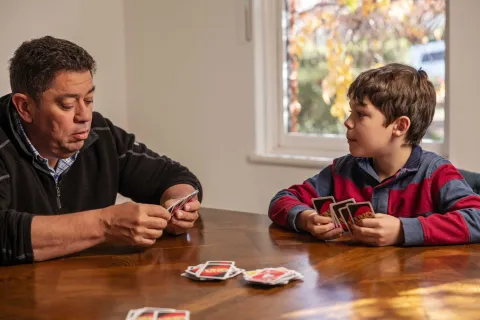
An adult and child sitting at a table playing a card game together.

Access to childcare can make a big difference to family wellbeing.

Access to childcare can make a big difference to family wellbeing. It can support children’s learning and development, and it can help parents and carers work, study, attend appointments, manage health needs, or take time to rest.  

Childcare needs can change over time. What works for your family may depend on your child’s age, your work or study arrangements, your health, and what support you have around you. There is support available to help families understand their options and choose what works best for them.   

When childcare support may help   

You might look for childcare support if you need help with any of the following:  

  • Balancing work, study or training  
  • Managing caring responsibilities or disability  
  • Supporting mental health or wellbeing  
  • Navigating transition, relocation or changes in routine  
  • Creating stability and routine for children   

There is no single right time to use childcare. Every family’s needs are different.   

Childcare and wellbeing  

Good childcare can give children a safe place to learn, play and build confidence. It can also make day-to-day life easier for parents and carers.  

  • Reduce stress and mental load  
  • Support participation in work, education or appointments  
  • Allow time for rest, recovery or self-care  
  • Help families maintain balance during busy or demanding periods  

For many families, childcare is not just about supervision. It can support the wellbeing of the whole family.   

Childcare in veteran and family life   

For veterans and families of veterans, childcare needs may come up during service-related injury or illness, transition from Defence, changes in work, relocation, or increased caring responsibilities.   

Flexible and accessible childcare can be especially helpful during times of change. It can help families create routine and reduce pressure.  

What support can look like  

Childcare support can include:  

  • Centre-based childcare or early learning  
  • Family day care or in-home care options  
  • Occasional or short-term care  
  • Support during periods of transition or increased need   

The best option will depend on your family’s needs, preferences and circumstances.   

Those needs may change over time.  

Getting support  

If you are exploring childcare options, these steps may help:  

  • Learning about the different types of childcare available in your area  
  • Talking with other parents, carers or family support services  
  • Seeking support if childcare access is affecting your wellbeing, work or caring responsibilities  
  • Asking for help to navigate options during times of change  

You can also get help from community services, government services such as Services Australia, or local childcare providers.  

Finding the right childcare can take time. You do not have to work it out on your own.   

Next steps  

  • Compare childcare services in your area.  
  • Check whether you may be eligible for Child Care Subsidy or Additional Child Care Subsidy.  
  • Talk to a support service if childcare is affecting your wellbeing, work, study or caring responsibilities.   

Helpful resources  

These resources can help you find childcare, compare your options and understand costs.  

  • Starting Blocks – Use this government website to find and compare childcare services, including fees, vacancies and quality ratings.  
  • Services Australia – Child Care Subsidy – Learn who may be eligible for help with childcare fees, how much support may be available, and how to claim through their website.  
  • Services Australia – Additional Child Care Subsidy – Find out about extra help with childcare costs in some situations, including temporary financial hardship, transition to work, grandparent care, or child wellbeing concerns.  
  • Raising Children Network – Get practical advice on choosing childcare, comparing services and understanding different care options in Australia.  
  • ACECQA – Learn what quality ratings mean and how childcare services in Australia are assessed.  
Factsheet
  • Family, Children and Caring
Off
7
10
12

Community transport for veterans and families

Aerial view of a road winding through bushland.

Affordable local transport can help eligible veterans and families get to essential appointments and activities when other travel options are difficult.

Community transport services can help veterans and their families get where they need to go when driving or using public transport is difficult. 

These services can help if travel is difficult because of mobility issues, health conditions, limited transport options, or a major life change. Community transport can help people stay connected to health care, services, social activities and their local community. 

What is community transport? 

Community transport is usually provided by not-for-profit organisations, local councils or community groups. Services are typically low-cost, flexible and can be adapted to people’s needs. 

Community transport may include: 

  • Door-to-door transport 
  • Assisted transport for people with mobility needs 
  • Group transport services 
  • Volunteer-run driver programs 

Services vary depending on location and provider. 

When community transport may help 

Community transport may be useful if: 

  • You are unable to drive due to injury, illness or disability 
  • Public transport is not accessible or practical 
  • You live in a regional or remote area with limited transport options 
  • You are attending medical, rehabilitation or wellbeing appointments 
  • You want support getting to social or community activities 

Transport support can reduce stress and make it easier to get to appointments, services and community activities during transition or recovery. 

DVA travel for treatment 

If you are travelling to treatment covered by your Veteran Card, you may be able to get help through DVA’s Travel for Treatment program. Depending on your eligibility, this may include reimbursement for travel costs or pre-arranged transport to and from appointments. 

Eligibility and travel entitlements vary, so it is important to check what support may be available for your situation. 

What community transport may be used for 

Depending on the provider, community transport may be available for: 

  • Medical and health appointments 
  • Allied health or rehabilitation visits 
  • Shopping and essential errands 
  • Education or training attendance 
  • Social, recreational or community activities 
  • Group outings and programs 

Not all services cover all purposes, so it’s important to check with your local provider. 

Who may be able to use community transport 

Eligibility varies by provider and location. Some services may be available to: 

  • Older people 
  • People with disability or mobility limitations 
  • People who have health-related barriers to transport 
  • Carers and family members 
  • People living in areas with limited transport access 

How to find community transport services 

Community transport is organised at the local or regional level. If you are not sure where to start, these services and support people may be able to help. 

Who can help 

  • Local council 
  • GP 
  • Hospital social worker or discharge planner 
  • Allied health or rehabilitation provider 
  • My Aged Care 
  • NDIS or disability support provider 

Next steps 

  • Contact a local service or support provider 
  • Search online for community transport in your area 
  • Ask for help with a referral or booking 

Sometimes, community transport can be arranged through health, aged care or disability services already supporting you or your family. 

Before you book 

Before you book a community transport service, it can help to check: 

  • Whether the service operates in your area 
  • Whether you can use the service 
  • What types of trips the service can be used for 
  • Whether there is a cost or contribution 
  • How much notice you need to give when booking 
  • Whether wheelchair-accessible transport is available if needed 
  • Whether a support person or carer can travel with you 
  • Whether return trips are available 

Questions to ask the provider 

When you contact a provider, you may want to ask: 

  • Do I need a referral or assessment? (For example, from my GP?) 
  • What trips can this service be used for? (For example, appointments or shopping?) 
  • How much does it cost? (For example, is there a fee?) 
  • How far in advance do I need to book? (For example, a day or a week ahead?) 
  • Can a support person, family member or carer travel with me? (For example, can someone come with me?) 
  • Is the vehicle wheelchair accessible? (For example, for a wheelchair or walker?) 
  • Do you offer return trips? (For example, can you take me home too?) 
  • What should I do if I need to cancel or change a booking? (For example, who do I call?) 

Helpful websites 

You may find these websites helpful when looking for transport support and eligibility information: 

  • My Aged Care – information about aged care transport services, eligibility and assessment.  
  • NDIS – information about transport funding for eligible NDIS participants. 
  • myGov – general information about transport as you get older, including links to state and territory community transport information.  
  • Department of Veterans’ Affairs (DVA) – information about Travel for Treatment, including reimbursements and pre-arranged transport for eligible veterans. 
Factsheet
  • Financial Wellbeing
  • Social Support and Connection
  • Health and Wellbeing
  • Family, Children and Caring
Off

Connecting with a Veterans’ and Families’ Hub

Three adults sitting around a table having a conversation over coffee in a casual indoor setting.

Veterans’ and Families’ Hubs are local, welcoming spaces offering easy access to combined services. They help veterans and families connect, get practical support, and find what they need.

Veterans’ and Families’ Hubs are community-based places where veterans and families can connect with others, get support, and find services that meet their needs. 

Hubs bring different services together in one place to make support easier to find and access. They are designed to feel local, welcoming, and practical. 

What support can a Hub help with? 

Each Hub offers support based on local needs. Depending on the Hub, support may include: 

  • connecting to health and wellbeing supports 
  • mental health and counselling services 
  • family, relationship and parenting support 
  • help with housing, employment, education or finances 
  • social connection and community activities 
  • referrals to DVA, Defence and community services 

Hubs focus on early support and connection. They are not crisis services, and you do not need to be in distress to contact one. 

Who can access a Hub? 

Veterans’ and Families’ Hubs are available to: 

  • veterans from all service backgrounds and periods of service 
  • partners, families and carers 
  • serving members who are transitioning out of the ADF 

You do not need a DVA claim, referral, or diagnosis to access a Hub. 

Factsheet
  • Financial Wellbeing
  • Education and Skills
  • Employment and Meaningful Activity
  • Social Support and Connection
  • Health and Wellbeing
  • Family, Children and Caring
On
7
8
9
10
12

Discharge from hospital

A person wearing a hospital gown sitting on a bed and looking out a window in a hospital room.

Leaving the hospital is an important step in recovery, and having the right information and support can help you feel safer and more confident at home. Veterans and families may be able to access follow-up care, community services, and practical support after discharge.

This page helps you understand what to expect when leaving hospital, including things to check, questions you might want to ask, and where to find support once you’re home. 

Leaving hospital can feel like a positive step, but it can also be a time of adjustment. If you’re managing ongoing health, mental health, or life challenges, it’s important to know you don’t have to do it alone—support is available to help you feel safe, confident and supported at home.  

For veterans and families of veterans, leaving hospital is not the end of support—it’s an important time for ongoing care and connection. This is often when clear information, coordinated support, and guidance on what comes next can make a real difference in feeling safe and supported at home.  

What discharge means 

Hospital discharge is when you leave hospital and continue your recovery at home or in the community. This can include: 

  • Returning home 
  • Moving to short‑term or supported accommodation 
  • Transitioning to community‑based health care or wellbeing services 

Everyone’s situation is different, and discharge plans should reflect your health needs, home environment, family situation, and support network. 

Before you leave hospital 

Before you leave hospital, it can help to make sure you understand your care plan and what support is in place. You may want to check that you have: 

  • Information about your medications and how to take them 
  • Details of any follow-up appointments or referrals 
  • Advice about warning signs and when to get help 
  • Contact details for services or people you can call if you have questions 
  • A chance to ask questions or raise concerns before you leave 

Questions to ask before you leave 

If you’re unsure about your discharge plan, it can help to ask questions before you leave hospital. You may want to ask: 

  • What support will I need when I get home? 
  • What medications do I need to take, and how should I take them? 
  • Do I have any follow-up appointments or referrals? 
  • Who can I contact if I have questions or my condition gets worse? 
  • What warning signs should I look out for? 

Support after hospital 

Some people need extra help in the days and weeks after discharge. This may be especially true if they’ve experienced: 

  • A mental health crisis 
  • Serious illness or injury 
  • Social isolation, housing stress or financial pressure 
  • Difficulty navigating services on their own 

Support may come from health providers, community services, veteran support programs, or wellbeing organisations.  Engaging with these types of supports may help reduce setbacks and make recovery feel more manageable.  

Planning for discharge 

Planning for discharge means making sure the right support is in place before you leave hospital. It should reflect your needs, circumstances and recovery goals. It may involve hospital staff, family, carers and community services. 

  • Support that matches your health needs, home situation and recovery goals 
  • Coordination between hospital teams, follow-up care and community services 
  • Support for mental health and emotional wellbeing 
  • The role families or carers may play after discharge 

If something doesn’t feel right, it’s okay to speak up, ask questions or request extra support before leaving hospital. 

If you are a veteran or family member

If you are a Gold Card holder, you may be able to access treatment for all your health needs after leaving hospital. If you are a White Card holder, support may be available for accepted service-related conditions, and in some cases, for mental health care. 

Depending on your needs and eligibility, you may also be able to receive nursing or support services at home to help with your recovery. 

Support continues after you leave hospital. You don’t have to manage this transition on your own help is available to support your recovery, wellbeing, and connection to the right services at the right time. 

If you’re supporting someone else 

Families, carers and support networks often play an important role during discharge and recovery. You can: 

  • Ask to be involved in discharge planning (with consent) 
  • Seek information about support services for carers 
  • Reach out for help if you’re feeling overwhelmed or unsure what to do next 

Looking after someone else also means looking after yourself. 

Where to get support 

You may be able to get help from the following services and organisations after leaving hospital: 

  • Healthdirect – general information about leaving hospital, discharge planning, recovery, and where to get health support in Australia. 
  • Department of Veterans’ Affairs (DVA) – information about Veteran Gold Card and White Card entitlements, treatment, and support services. 
  • DVA Community Nursing – in-home nursing and personal care, refer to page for eligibility criteria.  
  • Carer Gateway – practical support, counselling, respite, and information for carers. 
  • Open Arms – Veterans & Families Counselling – free and confidential mental health and wellbeing support including counselling, care coordination, peer support, group programs and digital health initiatives for veterans and the families of veterans.
Factsheet
  • Health and Wellbeing
  • Family, Children and Caring
Off
8
12

Domestic and family violence support

Close-up of two people holding hands across a table.

Domestic and family violence can take many forms, and support is available for veterans, families, and anyone affected. If you need help, there are safe, confidential services that can support you at your own pace. 

Domestic and family violence can include physical violence, coercive control, emotional abuse, financial abuse, sexual abuse, and abuse through technology. Support is available for veterans, families, and anyone affected. 

If you need support, you’re not alone. There are options available to help you feel safe, supported and connected - at your own pace. 

Get help now 

If you are in immediate danger, call 000

If you need to talk to someone right away, free and confidential support is available 24/7. 

  • 1800RESPECT – 1800 737 732 
    Confidential support for people experiencing domestic or family violence 
  • Defence Member and Family Helpline – 1800 624 608 
    Support for Defence members and families 
  • Open Arms – Veterans & Families Counselling – 1800 011 046 
    Free and confidential mental health and wellbeing support including counselling, care coordination, peer support, group programs and digital health initiatives for veterans and the families of veterans.

Understanding domestic and family violence 

Domestic and family violence is not always physical. It can involve fear, control, intimidation, or being stopped from making your own decisions. 

This may include: 

  • Physical harm, threats or intimidation 
  • Emotional abuse  
  • Coercive or controlling behaviour 
  • Financial abuse 
  • Sexual abuse 
  • Isolation or monitoring, including through technology 
  • Other forms of abuse 

    It can happen in different types of relationships and situations. 

Your safety matters 

You deserve to feel safe, respected and supported.  

If something doesn’t feel right, it’s okay to trust your instincts and reach out for help. 

Finding the right support 

Support looks different for everyone. You might choose to: 

  • Talk to a GP, counsellor, or support service 
  • Contact a specialist domestic and family violence service 
  • Reach out to someone you trust 

You do not need to make every decision at once. One small step, such as making a call or talking to someone you trust, can help. 

Planning for safety 

If it feels right for you, simple steps can help support your safety:  

  • Speak with a specialist service to create a safety plan 
  • Identify someone you trust you can contact 
  • Keep access to a safe phone or device, if possible 
  • Think about safe places you could go in an emergency 

Support for veterans and families 

Domestic and family violence can affect anyone. 

Veterans and families may face added pressures, including transition from service, health issues, trauma, or isolation. Services that understand military and veteran experiences can provide practical support. 

If you are worried about someone else 

You can support someone by: 

  • Listening and believing them 
  • Avoiding judgement 
  • Asking what would help 
  • Supporting them to connect with professional support 

Do not confront the person using violence if this could make things less safe. If someone is in immediate danger, call 000

If you are worried about your own behaviour 

Support is available if you are concerned about how you are acting in a relationship or family. 

Getting help early can reduce harm and support safer behaviour and healthier relationships. 

You don’t have to do this alone 

Help is available. Reaching out, even in a small way, can help you feel safer and more supported. 

Factsheet
  • Safety and Security
  • Health and Wellbeing
  • Family, Children and Caring
Off
8
9
10
12