Staying connected and dealing with loneliness

Feeling lonely can happen to anyone. Learn how connection supports wellbeing, recognise the signs of loneliness, explore simple, practical ways to build meaningful connections and how to get support.
Loneliness is the feeling of being alone or cut off from other people, even when others are around. It is something many people go through at different times in life. Feeling less lonely is not about staying busy or being around lots of people. It is about feeling connected, included and cared about.
Why connection matters
Feeling connected to other people can help your mental, emotional and physical health. It can:
- lift your mood and confidence
- lower stress and worry
- help you cope during hard times
- support your overall health and wellbeing
Big life changes can make people feel more alone. This can happen after a move, a health problem, a job change, or leaving service. Noticing it early can make it easier to do something about it.
Signs you may be feeling lonely
Loneliness can feel different for each person. You may notice:
- feeling cut off from other people or left out
- not wanting to contact other people
- spending a lot of time alone without much contact
- feeling low, flat or easily annoyed
- feeling like no one really understands you
Noticing these signs is not a weakness. It may be a sign that you need more connection and support.
Ways to build and keep connection
Connection does not have to be big or complicated. Small, regular moments with other people can make a difference.
Everyday things you can do
- Check in with one trusted person on a regular basis.
- Plan simple routine contact, like a weekly coffee, phone call or message.
- Say yes to easy social chances when you feel able.
- Stay in touch through shared interests or activities, not just talking.
Community and belonging
- Join a local group, club or activity that matches your interests.
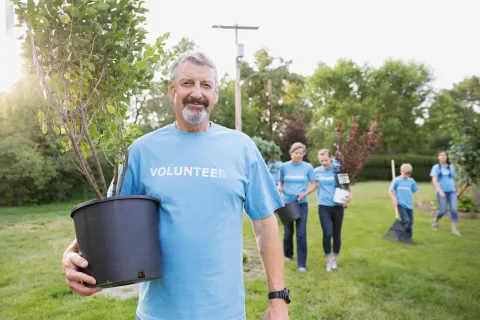
- Volunteer or share your skills if that feels right for you.
- Talk to people who understand what you have been through, if that support is available.
- If there is a Veterans’ and Families’ Hub in your local area, see what activities might be upcoming.
Digital connection
Online groups and messages can help some people feel connected, especially when seeing people in person is hard. For many people, online contact works best when it adds to real-life connection, rather than replacing it.
If connection feels hard
For some people, past experiences or long periods of doing things on their own can make connection feel hard, uncomfortable or unsafe. Building trust can take time.
Start small:
- one person
- one activity
- one small step
You do not have to share everything or be social all the time. Connection should feel safe, respectful and right for you.
When loneliness does not go away
Feeling lonely for a long time can affect your mental health and wellbeing. If these feelings are lasting a long time or feel overwhelming, help is available.
You could try:
- talking to a GP or other health professional
- getting counselling or peer support
- using trusted wellbeing support and information
Reaching out is a positive step. You do not have to deal with loneliness on your own.
A gentle reminder
You matter. Connection can look different for different people. Even small moments of contact, understanding or shared purpose can help.