Sport for kids

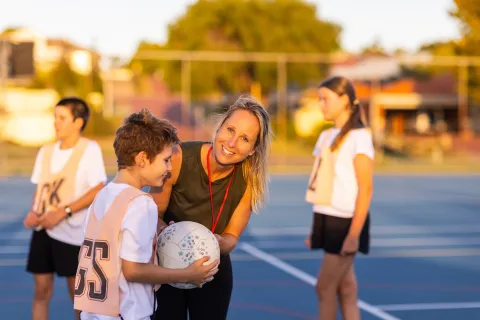
A child holding a ball on a netball court, near umpire and with other children nearby.

Sport keeps kids active, confident, and connected. This resource covers the benefits of sport, how to choose the right activity, ways to get started, and financial support options for families.

Sport can be a helpful way for children to stay active, build confidence and feel part of a community. For many families, it can also provide routine, connection and a sense of stability, especially during times of change such as moving, starting a new school or adjusting to new family circumstances. 

Why sport can help 

Being active through sport can support children’s wellbeing in many ways. It can improve physical health by building strength, coordination and overall fitness. It can also support emotional wellbeing by helping children manage stress and build confidence. Team or group activities can create social connection, giving children opportunities to make friends and feel included. Regular sport can also bring routine and stability, which can be especially helpful during periods of change. For children in veteran families, sport may also help with settling into new communities and routines. 

Finding the right activity and getting started 

Every child is different, so it helps to look for an activity that suits their interests, personality and comfort level. Some children may enjoy team sports like football, netball, basketball, cricket or rugby. Others may prefer individual or quieter activities such as swimming, martial arts, walking, running or bike riding. The most important thing is finding something your child enjoys, feels comfortable doing and can join in at their own pace. If you are not sure where to begin, try local clubs, school activities or community programs. Low-commitment options such as come-and-try sessions can be a good place to start. It can also help to ask schools, community groups or other parents for ideas and to let your child try a few activities before choosing one. 

Keeping it manageable and finding support 

Sport should support your family, not add pressure. It is okay to choose activities that fit your schedule and budget, keep things informal, take breaks during busy periods and adjust commitments if your child’s needs change. Sometimes there are barriers to joining in, such as cost, transport, confidence, anxiety or frequent moves. In these situations, support may be available through schools, local community organisations or clubs offering flexible and inclusive programs. Depending on where you live, state and territory sport voucher programs may also help with registration, uniforms, equipment or activity fees. Encouraging your child without pressure, focusing on enjoyment rather than performance, and celebrating effort can help them feel safe, supported and included. 

Funding options by state and territory 

State or territory  Program  What it may help cover  Typical eligibility 
ACT  Every Chance to Play  Up to $250 for junior sport registration fees  Children and young people aged 5 to 18 facing financial barriers, through a trusted referrer 
New South Wales  Active and Creative Kids  $50 vouchers for eligible active, creative or cultural activities  School-aged children aged 4.5 to 18 in families receiving Family Tax Benefit 
Northern Territory  Sport Voucher Scheme  2 x $100 vouchers for sport, recreation and cultural activities  Children from Transition to Year 12 enrolled in school or registered for home schooling 
Queensland  Play On! Sports Vouchers  Up to $200 for sport membership, registration or participation fees  Children aged 5 to 17; one voucher per child per financial year 
South Australia  Sports Vouchers Plus  2 x $100 vouchers for sport, active recreation and music fees  Children living in South Australia in Reception to Year 9 
Tasmania  Ticket to Play  2 x $100 vouchers for club membership or registration fees  Children aged 5 to 18 who meet card, Family Tax Benefit, care or visa pathway criteria 
Victoria  Get Active Kids Voucher Program  Up to $200 for membership and registration fees, and sometimes included uniform or equipment costs  Children aged 0 to 18 named on a valid Health Care Card or Pensioner Concession Card and Medicare card 
Western Australia  KidSport  Help with club registration fees, and in some cases essential uniforms or equipment  Children aged 5 to 18 with a valid Health Care Card or Pensioner Concession Card, or eligible through financial hardship pathways 

Program rules, voucher amounts, opening dates and approved providers can change. Check your state or territory government website for the latest information before you apply. 

Where to find more information 

For the latest eligibility rules, opening dates, approved providers and application details, check your state or territory government website. You can also ask your child’s school, local council, community organisation or sporting club about low-cost programs, inclusive activities and local support options. 

Factsheet
  • Social Support and Connection
  • Health and Wellbeing
  • Family, Children and Caring
Off
7
8
9
12

Sporting clubs

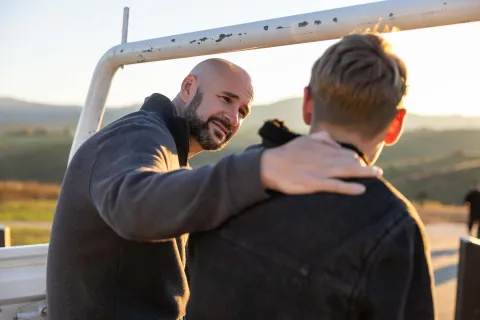
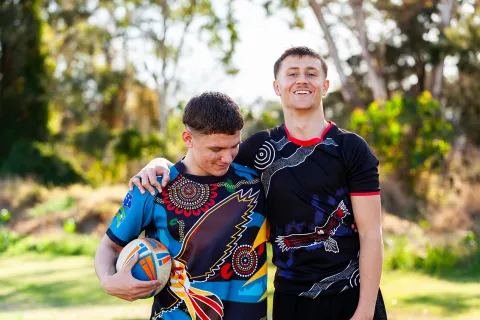
Two people standing outdoors together, one holding a ball, with an arm around the other in a natural setting.

Sporting clubs boost wellbeing for veterans and families through fitness, social connection, and purpose. They offer structure and belonging via playing, volunteering, or coaching.

Sporting clubs are a familiar part of community life across Australia. For veterans and families of veterans, they can offer a practical way to stay active, build relationships and feel connected through shared interests, teamwork and local involvement. 

What are sporting clubs? 

Sporting clubs are local groups where people come together to play sport, stay active and connect with others in their community. Some clubs are social and beginner-friendly, while others are more competitive. Many also offer ways to get involved through volunteering, coaching or supporting a team. 

How sporting clubs can support wellbeing 

Sporting clubs can support wellbeing in different ways. Regular physical activity is linked to better overall health and can help improve fitness, strength and healthy routines. Sport participation is also associated with improved mental wellbeing, including lower levels of stress, anxiety and depression, and can build confidence, resilience and a sense of achievement. Socially, clubs help people meet others, build friendships and feel part of a community, which is important for wellbeing and belonging. Research on veterans and sport in Australia also highlights the value of sport for identity, connection and recovery during transition and rehabilitation. 

Why sporting clubs matter for veterans and families of veterans 

Separating from service can bring changes to routine, identity and social connection. Sporting clubs can offer structure, connection and support during times of change by providing a familiar environment built on teamwork and shared goals. For some veterans, sport can help rebuild confidence, rediscover purpose and support reintegration into civilian life. Families can also benefit through shared activities, local involvement and stronger community connection. 

There are many ways to get involved, including joining a local team or social competition, taking part in beginner or casual programs, volunteering, coaching, supporting a club or attending community sporting events. You do not need to be highly skilled or competitive to take part, and many clubs welcome people of different ages, abilities and experience levels. 

Helpful starting points include Invictus Australia, RSL Active, Mates4Mates, Sporting Wheelies and Parkrun Australia, which offer sport, recreation, rehabilitation, volunteering and community participation opportunities across Australia. 

Factsheet
  • Social Support and Connection
  • Health and Wellbeing
  • Family, Children and Caring
Off
7
8
9
12

Sleep hygiene

Warm sunset light over misty hills and bushland, with layers of trees and landscape fading into the distance.

Sleep is essential to physical and mental wellbeing.  

Sleep is essential to both physical and mental wellbeing. Good sleep supports mood, memory, concentration, emotional regulation and overall health. When sleep is poor or disrupted, it can affect how we cope with stress, connect with others and function day to day. Sleep hygiene refers to the habits, routines and environments that support healthy, restful sleep. 

Why sleep matters 

Quality sleep helps improve mood and emotional regulation, supports memory, learning and decision making, strengthens the immune system, helps manage stress and anxiety, and can reduce the risk of long-term health issues. For people who have experienced stress, trauma or long periods of heightened alertness, sleep can be especially difficult. Small, consistent changes can still make a real difference. 

Everyday habits that support better sleep 

Good sleep hygiene is about gently setting your body up for rest. During the day, try to wake up and go to bed at the same time each day, including weekends, get natural light especially in the morning, move your body regularly, and limit caffeine after early afternoon. In the evening, create a wind-down routine 30 to 60 minutes before bed, reduce screen use or use night mode settings, and avoid large meals, alcohol or nicotine close to bedtime. Your bedroom should signal safety and rest, so keep it as dark, quiet and cool as possible, use comfortable bedding, and if sleep is difficult, reserve your bed for sleep and rest rather than work or scrolling on devices. If your mind races at night, keeping a notebook nearby can help you write things down and clear your head before sleep. 

When sleep is disrupted 

Broken sleep, nightmares or trouble falling asleep can happen to anyone, especially during periods of stress, change or recovery. For some people, sleep problems settle with time and supportive routines. For others, they can continue and start to affect mood, concentration, relationships and day-to-day functioning. If sleep difficulties continue for several weeks, affect daily life, or seem linked to distressing thoughts or memories, it may help to speak with a general practitioner or other health professional. Support options include Healthdirect for practical guidance on sleep problems and where to get help in Australia, the THIS WAY UP Insomnia Program for free online strategies to manage insomnia, the Sleep Health Foundation for evidence-based Australian information on healthy sleep and sleep disorders, and Medicare Mental Health for help connecting with mental health support without a referral. A general practitioner can also assess sleep concerns and, if needed, refer someone to Medicare-subsidised support such as a psychologist. Support is available, and you do not have to manage sleep difficulties alone. 

Factsheet
  • Health and Wellbeing
Off
7
8
9
12

Mental Health First Aid

Sign reading “Mental Health Matters” beside a small vase of dried plants on a table.

Mental Health First Aid teaches how to spot someone struggling and respond early. For veterans and families, it builds safer communities, boosts understanding, and encourages seeking help.

Mental Health First Aid is about having the confidence to recognise when someone may be struggling and knowing how to respond with care, respect and support. 

For veterans, families, carers and communities, these conversations often happen in everyday moments –  with a mate, partner, colleague or family member. Mental Health First Aid helps people feel more prepared for these moments. 

What is Mental Health First Aid? 

Mental Health First Aid is not professional counselling or medical treatment. 

It focuses on helping people to: 

  • Recognise the signs of mental distress 
  • Start supportive, early conversations 
  • Encouraging people to seek appropriate help when needed 
  • Reduce stigma and increase understanding 

The goal is to support someone until they can access the help that is right for them. 

Why this matters for veterans and families 

Veterans and families of veterans may face unique challenges linked to service, transition, injury, identity and life changes. 

Early support from trusted people – family members, peer or colleagues can make a real difference. This is especially important during times of stress, transition or recovery.  

Mental Health First Aid helps community members, families and peers feel better equipped to provide that first level of support. 

Mental Health Protect 

The Department of Veterans’ Affairs funds Mental Health Protect, which provides free access to evidence based mental health and suicide prevention training for the veteran community.  

Mental Health Protect includes training such as Mental Health First Aid and is designed to: 

  • Build confidence to support others 
  • Improve mental health knowledge and awareness 
  • Encourage early help seeking 
  • Strengthen safer, more connected communities  

If you’re interested in training or learning more, Mental Health Protect is the best place to start. 

Building confidence to support others 

Mental Health First Aid is about recognising when someone may need support and responding with care without needing to have all the answers. 

Training available through Mental Health Protect can help veterans and families: 

  •  Build confidence in supporting others 
  • Strengthen understanding of mental health 
  • Support earlier help‑seeking 
  • Create supportive environments in families, workplaces and communities. 

Looking after yourself 

Supporting someone in a mental health conversation can be meaningful, but it can also be challenging. Looking after your own wellbeing is important. 

 When you feel supported and grounded, you are better able to listen, respond with care and encourage appropriate support.  

You can look after yourself by: 

  • Check in with yourself and notice if you are feeling stressed, tired or overwhelmed. 
  • Remembering your role is to listen, support and encourage help-seeking - you don’t need to have all the answers 
  • Setting clear boundaries about what you can and cannot take on 
  • Taking time to pause and recharge after a difficult conversation 
  • Talking with someone you trust or seek guidance, where it is safe and appropriate to do so. 
  • Maintaining routines that support your wellbeing, such as sleep, regular meals, movement and time outdoors 
  • Seek your own support if the situation is affecting your mental health or wellbeing. 

Getting urgent help 

Get urgent help if you are concerned about your immediate safety or someone else’s. 

Factsheet
  • Health and Wellbeing
  • Family, Children and Caring
On
10

Menopause

Menopause is a natural stage of life that can affect physical, emotional and mental wellbeing in different ways. Support is available to help veterans and families understand symptoms, manage changes,

A natural part of life 

Menopause is a natural stage of life that many women and people assigned female at birth will experience. 

It can bring physical, emotional and mental changes and everyone’s experience is different. 

For some, symptoms are mild. For others, they can have a greater impact on daily life, relationships and wellbeing. 

If you are going through this, you are not alone.  Support is available if you need it. 

What menopause is 

Menopause is the time when periods stop permanently. 

There are three stages: 

  • Perimenopause – the time leading up to menopause, when hormone levels begin to change 
  • Menopause – when you have not had a period for 12 months 
  • Post-menopause – the stage after menopause 

These stages often occur over several years.  The timing and experience will vary for each person. 

What you might experience 

Symptoms vary from person to person. You may experience: 

  • Hot flushes or night sweats 
  • Changes in sleep 
  • Mood changes, irritability or anxiety 
  • Difficulty concentrating or “brain fog” 
  • Changes in energy levels 
  • Physical changes such as aches or discomfort 

Some people may also experience changes in confidence, identity or how they feel about themselves. 

Why it matters for wellbeing 

Menopause can affect multiple parts of your life at the same time. 

This may include: 

  • Physical wellbeing – sleep, energy and overall health 
  • Mental wellbeing – mood, stress and coping 
  • Relationships and family life 
  • Work and daily routines 

For veterans and families of veterans, these changes may happen alongside other life transitions, such as leaving service, changes in health, or shifts in family roles. These overlapping pressures can make the experience feel more challenging. 

Things that may help 

There is no single “right” way to manage menopause. What helps will depend on your situation, your health, and what matters to you. Some people find it helpful to: 

  • Speak with a GP or health professional 
    They can help you understand what is happening and talk through available options. 
  • Focus on rest and routine 
    Regular sleep and simple routines can help support energy and daily functioning. 
  • Stay active where possible 
    Movement can support mood, sleep and overall health. Start with what feels manageable. 
  • Plan around your energy levels 
    It is okay to pace yourself and adjust your day when needed. 
  • Stay connected 
    Talking with people you trust-family, friends, or peers can help reduce isolation and build support. 

If things feel difficult 

At times, menopause can feel overwhelming, especially if symptoms are ongoing or affecting your day-to-day life. 

It is okay to: 

  • Ask for support 
  • Take things at your own pace 
  • Focus on what is most important for your wellbeing 

If symptoms are affecting your mental health, relationships, or ability to cope, it is important to seek support. 

Getting support 

You do not have to manage this on your own. 

A GP or health provider can help you understand your options and connect you with support. 

Depending on your circumstances, support may include: 

  • General healthcare and advice 
  • Counselling or mental health support 
  • Specialist services 
Factsheet
  • Health and Wellbeing
  • Family, Children and Caring
Off
9
10
12

Legal Aid

Multi‑generational family standing together in a park, with adults and children gathered close and facing the camera.

Legal Aid offers free or low-cost legal help to veterans and families for family law, housing, employment, safety, and other matters, based on eligibility and the specific issue.

egal Aid can help if you have a legal problem and cannot afford a private lawyer. This page explains what Legal Aid is, who may be able to access it, and where to find support. 

Legal Services are available for veterans and families of veterans, depending on your situation and eligibility. 

What Is Legal Aid? 

Legal Aid services are publicly funded organisations that provide free or low-cost legal help people who cannot afford a private lawyer. 

Support may include: 

  • Legal information and guidance 
  • Advice from a lawyer 
  • Duty lawyer services at court 
  • Ongoing legal representation in some cases 

The type of support available depends on your legal issue, your circumstances, and eligibility criteria. 

The Types of Legal Issues Legal Aid Can Help With 

Legal Aid and similar services can help with a range of legal matters, including: 

  • Criminal charges and court appearances 
  • Family law issues, such as parenting arrangements or separation 
  • Domestic or family violence and personal safety concerns 
  • Housing and tenancy disputes 
  • Debt, fines, and financial hardship  
  • Employment related issues 
  • Government and administrative law matters 

Not all legal matters are covered, and services may be limited depending on demand and available funding. 

Who Can Get Legal Aid 

Eligibility is usually based on: 

  • The type of legal issue 
  • Your financial situation 
  • Whether your case is considered reasonable or likely to succeed 

Meeting eligibility requirements does not guarantee you will receive a lawyer. The level of support offered may vary. 

Other Free or Low‑Cost Legal Support 

If Legal Aid is not available or suitable, other services may be able to help you or your family: 

  • Community legal centres 
  • Specialist legal services (such as tenancy, family violence, disability, or mental health) 
  • Pro bono (free) legal services or referral services 
  • Advocacy organisations (for government or compensation matters) 

These services are independent and may have their own eligibility criteria. 

Find Legal Aid in Your State or Territory 

Legal Aid services are run separately in each state and territory.  

Select your location below to find information about services, eligibility, and how to get help. 

National 

State and Territory Services 

Community Legal Centres (nation-wide) 

Community Legal Centres provide free and independent legal help, often for people who are not eligible for Legal Aid. 

You can search by location, legal issue, or type of service. 

Urgent or Safety‑related Legal Issues 

If you or someone else is in immediate danger, call 000

You can also: 

  • Seek crisis or wellbeing support 
  • Contact a legal service and let them know your situation is urgent and request your matter can be prioritised. 

Additional support may be available for veterans and families of veterans experiencing crisis or distress. 


Factsheet
  • Safety and Security
Off
9
10
12

First Nations healthcare

Male sitting on a chair outdoors in a park setting, with arms resting behind their head and trees in the background.

First Nations healthcare connects culture, identity, and safe care. For First Nations veterans and families, support is available via culturally safe services, ACCHOs, and DVA providers.

Healthcare that respects culture, identity and lived experience 

For many Aboriginal and Torres Strait Islander peoples, health and wellbeing are closely connected to culture, Country, community and identity. 

Healthcare is not just about treating illness. It is also about feeling safe, respected and understood. 

For First Nations veterans and families of veterans, culturally safe healthcare can support both physical and emotional wellbeing, especially during times of transition or change. 

For some First Nations veterans and families of veterans, health and wellbeing can also be shaped by experiences of racism, trauma, loss, disconnection and the ongoing effects of colonisation. 

Healthcare can work better when services understand both military experience and the importance of culture, family, kin, community and Country. 

Why feeling safe in healthcare matters 

Everyone should feel safe and supported when accessing healthcare. 

For First Nations people, culturally safe care can mean: 

  • being listened to and understood 
  • having culture, identity and experiences respected 
  • feeling comfortable asking questions and making decisions 
  • accessing care that reflects individual and community needs 

When healthcare feels safe and respectful, it can make it easier to seek support early and stay connected to care. 

What culturally safe care may look like for you 

Culturally safe care may include: 

  • Choice and control 
    Being able to choose where you go and who provides your care 
  • Respect for culture and identity 
    Care that recognises the importance of culture, family, community and Country 
  • Understanding your experiences 
    Including the impacts of service, transition and life changes 
  • Supportive environments 
    Spaces where you feel comfortable and safe to speak openly 

There is no single way this looks. It depends on what feels right for you. 

You may want care that includes family, kin or a trusted support person. 

You may also want to ask if a service has Aboriginal and Torres Strait Islander staff, liaison officers, or experience supporting First Nations veterans and families of veterans. 

If a service does not feel safe, respectful or right for you, it is okay to look for another option. 

How to find healthcare that feels right for you 

You have options when it comes to finding healthcare that feels safe, respectful and right for you. 

Some services may feel like a better fit for you than others. 

Options that may support First Nations veterans include: 

  • Aboriginal Community Controlled Health Services, which can provide culturally safe and holistic care close to community 
  • Department of Veterans’ Affairs health care and support services, which may be available based on service eligibility 
  • Open Arms Open Arms – Veterans & Families Counselling provides free and confidential mental health and wellbeing support including counselling, care coordination, peer support, group programs and digital health initiatives for veterans and the families of veterans. 
  • local GPs, Aboriginal health workers and mainstream health services that provide culturally safe care and understand veteran and family of veteran experiences 

If you are eligible for DVA support, you may be able to choose from different providers, including Aboriginal Community Controlled Health Services, GPs and other services that feel right for you. 

You might choose to: 

  • access services in your local community 
  • seek providers who understand your background and experiences 
  • involve family, kin or trusted people in your care 

It can help to ask questions before your appointment so you can decide whether a service feels culturally safe for you. 

You might ask how the service supports Aboriginal and Torres Strait Islander peoples, whether family or kin can be involved, and what choices you have about your care. 

What to do if there are barriers to care 

Sometimes it can be harder to access healthcare. 

Barriers to care can include: 

  • location or distance 
  • cost 
  • previous experiences with services 
  • navigating a complex system 
  • not feeling culturally safe 
  • worry about being judged, misunderstood or not listened to 
  • difficulty finding services that understand both First Nations perspectives and veteran and family of veteran experiences 

Support may be available to help you find the right services and options for your situation. 

Support from a trusted person, local service or community organisation may make it easier to take the next step. 

Ways to support your wellbeing 

Looking after your health is personal. 

Looking after your wellbeing might include: 

  • regular check-ups with a GP or health service 
  • seeking support early if something doesn’t feel right 
  • combining clinical care with cultural connection and community support 

For many First Nations people, wellbeing includes both medical care and connection to culture and community. 

Strength, resilience, cultural knowledge and connection can all play an important role in wellbeing. 

Where to get support 

If you’re not sure where to start, you do not have to do it on your own. 

You might choose to begin with a GP, an Aboriginal Community Controlled Health Services, or another provider that feels right for you. 

If it would help, you can ask a family member, Elder, friend, kin or another trusted person to support you to make contact or go with you to an appointment. 

You can connect with organisations that understand First Nations health and wellbeing and ask for help to find your way through the system if it feels overwhelming. 

Factsheet
  • Meaning and Spirituality
  • Health and Wellbeing
  • Family, Children and Caring
Off
9
12

First Nations connection

Two people leaning on a fence outdoors and facing each other, with trees and warm sunlight in the background.

Connection to culture, Country and community gives First Nations veterans strength and identity. Culturally safe, community-led organisations offer support respecting lived experience.

Connection to culture, Country and community can be an important source of strength and wellbeing for many Aboriginal and Torres Strait Islander peoples. These connections can shape identity, belonging and a sense of purpose, and may be especially important during times of change or transition. 

For First Nations veterans and families of veterans, experiences such as service, posting, injury, transition out of Defence, or changes in family life can sometimes affect connection to culture or community. Everyone’s experience is different, and it is okay for connection to look different from one person to the next. 

At a glance 

  • Connection to culture, Country, community and identity can play an important role in wellbeing. 
  • Connection can look different for each person, and there is no right way to connect or reconnect. 
  • Healing and reconnection may take time, especially after trauma, loss, racism, displacement or major life changes. 
  • Culturally safe, community-led and Aboriginal Community Controlled organisations can offer support. 
  • Support should respect personal choice, lived experience and self-determination. 

Why it matters 

For many First Nations people, wellbeing is deeply connected to: 

  • culture and identity 
  • Country and place 
  • family, kin and community 
  • shared knowledge, stories and traditions 
  • Connection can provide strength, grounding and support across all stages of life. 
  • When connection is disrupted by relocation, service demands, injury or major life transitions, people may feel loss, disconnection or uncertainty. 
  • Supporting connection is part of supporting whole-of-person and whole-of-family wellbeing. 

What connection can mean 

Connection can mean different things to different people. It may involve: 

  • spending time on Country or reconnecting with places that are important to you 
  • strengthening relationships with family, kin and community 
  • engaging in cultural practices, language or traditions 
  • learning, relearning or deepening understanding of culture and identity 
  • connecting with Elders or trusted community members 
  • taking time, space and choice in how and when connection happens 

All of these experiences are personal. Some people may be actively seeking reconnection, while others may prefer to reconnect quietly, gradually, or not at all at certain times. 

Connection and healing 

  • Social and emotional wellbeing can be shaped by connection to culture, Country, community, spirituality, family and identity. 
  • These connections can support strength, comfort, belonging and healing. 
  • Reconnection may be affected by trauma, loss, racism, displacement, family separation or time away from community or Country. 
  • Healing and reconnection may take time, and there is no right way to do it. 
  • Support can come through community-led and Aboriginal Community Controlled organisations. 
  • Connection can strengthen identity, resilience and hope for individuals, families and communities. 

Getting support 

If you would like support to strengthen or reconnect with culture or community, many people choose to seek help through community-led, culturally safe organisations. 

These may include: 

  • Aboriginal and Torres Strait Islander community organisations 
  • cultural, family or social support services 
  • health, legal or wellbeing organisations led by First Nations people 
  • local networks connected to Elders or Traditional Owners 
  • for people connected with Defence, support may also include Defence Aboriginal and Torres Strait Islander networks, mentoring, and Defence member and family support services that provide information, referrals and connection with local services or community groups 

Choice and self-determination 

  • Connection should not be rushed or prescribed. 
  • Everyone’s journey is their own. 
  • Support should respect lived experience, personal choice and self-determination. 

You decide: 

  • what connection means to you 
  • who you engage with 
  • when and how you seek support  
Factsheet
  • Meaning and Spirituality
  • Social Support and Connection
  • Health and Wellbeing
  • Family, Children and Caring
Off
8
9
12

Finding an ex-service organisation

A person using a mobile phone to view the agency’s website in a community setting.

Ex-Service Organisations (ESOs) offer veterans and families practical support, advocacy, and military-community connection. Since services vary, explore different ESOs to find the best fit for you.

Ex-Service Organisations (ESOs) are groups that support veterans and their families. Many are run by people who understand Defence life, leaving service, and service-related challenges. 

An ESO can help you find support, information and connection — whether you need practical help, social contact, or someone who understands what you’re going through. 

What Ex-Service Organisations do 

ESOs are different, but many can help with: 

  • advocacy and help with claims and entitlements 
  • wellbeing support, peer support and community connection 
  • social connection and activities 
  • support for partners, families, widows and widowers 
  • assistance during transition or times of change 

Some organisations support specific groups of people, service backgrounds, conflicts or age groups. Others support a wide range of people in the veteran community. 

Who can connect with an ESO 

Ex-Service Organisations may support: 

  • current and former ADF members 
  • partners, spouses and families of veterans 
  • children or dependants of veterans 
  • war widows and widowers 

You do not need to be a member to get in touch. Many ESOs are happy to talk with you about what support may help. 

How to find an Ex-Service Organisation 

Here are a few ways to find an ESO that may suit your needs: 

  • search online for an Ex-Service Organisation in your local area 
  • check the Department of Veterans’ Affairs list of recognised Ex-Service Organisations 
  • ask other veterans or families about organisations they’ve found helpful 
  • connect through a Veteran and Family Hub or community service 

You can also contact more than one organisation to see which one feels right for you. 

How to choose an Ex-Service Organisation 

ESOs offer different kinds of support. You may want to ask what help they offer, who they help, whether you need to be a member, and whether they support people in person, by phone or online. 

Questions to ask an ESO 

  • What kind of support do you offer? 
  • Who do you support? 
  • Do I need to be a member to get help? 
  • Is there a cost? 
  • Do you offer support in person, by phone, or online? 
  • Do you have accredited advocates? 

Finding an accredited advocate 

If you need help with claims or entitlements, some ESOs have trained accredited advocates. 

You can search the Advocate Register to find an accredited advocate in your area or through an organisation that suits you. 

Choosing what’s right for you 

Everyone’s needs are different. It’s okay to: 

  • take your time finding the right organisation 
  • ask questions about the support available 
  • step back if something doesn’t feel like the right fit 
  • reconnect later if your needs change 

Support should work for you. 

Getting support to connect 

If you’re not sure where to start, support is available to help you find an organisation and connect with the right services. 

Factsheet
  • Financial Wellbeing
  • Education and Skills
  • Employment and Meaningful Activity
  • Housing
  • Social Support and Connection
  • Health and Wellbeing
  • Family, Children and Caring
Off
8
9
10
12

Finding a General Practitioner

A doctor showing a medical device to a child at a table, with another adult sitting beside them.

A General Practitioner (GP) is a good first step for most non-emergency health concerns and can help you manage your health over time. Finding the right GP means choosing someone you feel comfortable.

A General Practitioner, or GP, is also called a local doctor or family doctor. A GP can help with many health concerns for people of all ages.  

GPs typically act as the first point of contact for patients within the healthcare system and provide ongoing care. They are trained in diagnosis and treatment, prevention and management of both acute and chronic conditions, as well as coordination of health care arrangements. 

Your GP will decide whether you need to see another health professional, and they will refer you to a medical specialist or allied health professional if you need specialised care. 

Some GPs have extra training or special interests. For example, some focus on pregnancy, immunisation or veteran-centric care.

For most non-emergency health problems, a GP is the best place to start. It can help to see the same GP over time so they get to know you and your health history.

  1. Ask people you trust 
  2. Make a short list of GPs near you

    You can ask family, friends, colleagues or another health professional if they know a GP who listens well or understands the kind of care you need. 

  3. Search online 

    You can use the healthdirect service finder to look for a GP in your area. You can search by location and filter results by things like bulk billing, opening hours or parking. For example, you might look for a GP close to home or a clinic that is open after work. 

  4. Check the details before you book 

    Before you book, check where the clinic is, how easy it is to get to, whether they are taking new patients, and what the fees are.  If you have a DVA Gold Card or White Card, you may want to check if they accept the veteran card.  

    Bulk billing means the doctor bills Medicare directly, so there will be no out-of-pocket costs if you are eligible. Not all clinics bulk bill, so it is a good idea to ask when you book.

    If you think you will need more time, ask for a longer appointment. You can also ask if there will be any out-of-pocket cost.

  5. Decide if the GP is right for you 

    Your first appointment can help you decide if the GP is a good fit. If you feel listened to and comfortable asking questions, you may want to keep seeing them. If not, it is okay to try another GP. 

Checklist: questions to ask after your first visit 

  • Do I feel comfortable with this GP? 
  • Do they listen to what I have to say? 
  • Do I feel comfortable asking questions? 
  • Does this GP understand my cultural needs? 
  • Does this GP allow me to choose treatments that suit my beliefs? 
  • Can I make a longer appointment if I need one? 
  • Is this GP easy for me to get to? 
  • Do the clinic's opening hours suit me? 
  • Does the clinic's payment plan suit me? 

What if I need to see a new health professional? 

You may need to see a new health professional if you: 

  • move to a new area, including for work or service reasons 
  • do not want to keep seeing your current health professional 
  • need help with a different health problem 
  • want a second opinion 

If you change health professionals, it is important to share your health information with your new health professional. This can help them understand your health history and give you the right care. 

My Health Record is a secure online summary of your key health information. You and your health professionals can use it when needed, including in an emergency. 

  • doctors 
  • hospitals 
  • other health professionals 

Relevant supports 

Veteran-specific supports 

Costs and concessions 

Finding a doctor or health professional 

Family and children 

Factsheet
  • Health and Wellbeing
  • Family, Children and Caring
Off
9
10
12